Wallflower: A Designer’s Review for Embroidery Projects
As an embroidery designer who has spent years digitizing patterns and testing them on everything from flimsy silk to heavy denim, I approach every new machine embroidery design with a mix of curiosity and skepticism. We have all been there: you download a file that looks stunning on the screen, only to find it puckers the fabric or loses its charm once stitched out. That is why I took a close look at Wallflower. This isn’t just about aesthetics; it is about how a design performs in the real world of craft businesses and handmade products.
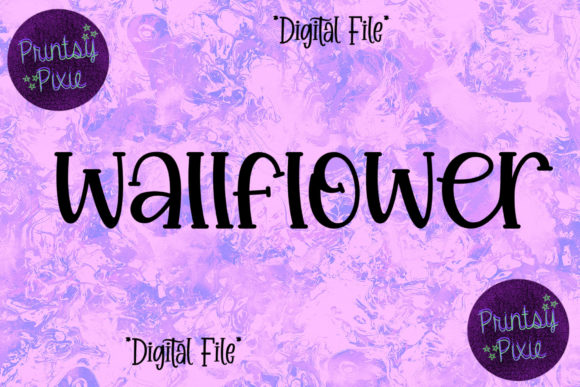
My first impression of Wallflower was one of understated elegance. It does not scream for attention with overly complex details or aggressive saturation. Instead, it offers a balanced composition that feels organic and inviting. For those of us working in the Crafts sector, finding Graphics that translate well from digital screen to thread is crucial. The layout suggests a natural flow, which is essential for maintaining stitch integrity without excessive jump stitches or trim points that can weaken the final product.
The Real-World Test: From Screen to Sweatshirt
To truly evaluate Wallflower, I imagined a common scenario for many Etsy sellers and small shop owners: a custom order for a personalized sweatshirt. The client wants something delicate yet visible, suitable for daily wear. I visualized placing this design on the left chest area of a mid-weight cotton blend fleece. This is where the rubber meets the road. Does the design hold up against the texture of the fabric? Does it look professional?
In this context, Wallflower shines because of its versatility. It is not so dense that it creates a stiff, cardboard-like patch on the garment, nor is it so sparse that the background fabric shows through unintentionally. For a sweatshirt embroidery project, this balance is vital. Customers expect comfort alongside beauty. If the stitch density is too high, the garment becomes uncomfortable to wear. If it is too low, the design looks cheap. Based on the visual structure of Wallflower, it appears to utilize a smart mix of fill stitch areas for body and potentially satin stitch borders for definition, which is a hallmark of a well-digitized file.
Versatility Across Product Lines
Beyond apparel, I considered how this design would perform on other popular items. For a tote bag design, the durability of the stitching is paramount. Tote bags carry weight and undergo friction. A design like Wallflower, with its seemingly robust outline and clear shapes, would likely withstand the rigors of daily use. It would also make an excellent candidate for an embroidered patch. Patches require clean edges and distinct separation between color zones to ensure they cut cleanly and look sharp when applied. The graphic nature of this design suggests it would digitize beautifully into a merrowed-edge or satin-border patch.
For those focusing on baby embroidery, softness is the priority. If you are stitching this onto a onesie or a burp cloth, you must pay attention to the backing. However, the gentle curves and lack of extremely fine, fragile details in Wallflower make it a safer choice for infant items compared to hyper-realistic designs that require thousands of tiny stitches. It also fits seamlessly into holiday embroidery collections. Whether used for a spring-themed pillow cover or a subtle accent on a kitchen towel, the theme is adaptable enough to fit various seasonal marketing campaigns for your craft business.
Navigating Fabric and Hoop Constraints
No design is universal, and honest review requires discussing limitations. While Wallflower is versatile, you must exercise caution with certain materials. On highly textured fabrics like terry cloth or thick wool, finer details might get lost. In such cases, increasing the size of the design or simplifying the thread palette can help maintain clarity. Similarly, when working with stretchy fabrics like jersey knits for custom apparel, proper stabilization is non-negotiable. A floating method with a strong cut-away stabilizer would be my recommendation to prevent distortion during the stitching process.
Another critical factor is hoop size. Before purchasing or downloading any digital embroidery file, you must confirm that the design fits within your machine’s maximum hoop capacity. Since Wallflower is provided as an SVG File, it is optimized for cutting machines like Cricut or Silhouette. This is an important distinction. If you are an embroiderer, you need to ensure you have the corresponding embroidery file formats (such as PES, DST, or JEF) compatible with your specific machine. The SVG format is excellent for creating printable mockups or vinyl decals, but it does not contain stitch data. Always verify the file types included in your purchase to avoid frustration.
Commercial Viability and Brand Consistency
For commercial embroidery professionals, consistency is key. Your brand reputation relies on delivering high-quality finished products every time. Wallflower offers a level of sophistication that elevates perceived value. It does not look like a generic clip-art insertion; it feels curated. This helps in building customer trust. When a buyer sees a clean, well-executed design on a personalized gift, they are more likely to leave positive reviews and return for future purchases.
Moreover, using cohesive design assets like this across your product line helps in brand recognition. If you use Wallflower on tote bags, aprons, and caps, you create a recognizable aesthetic for your small shop product lineup. This visual consistency is a powerful tool for Etsy sellers looking to stand out in a crowded marketplace. It signals professionalism and attention to detail, two traits that buyers actively seek out.
Practical Notes for the Embroiderer
Before you start stitching your next big order, here are some practical steps to ensure success with Wallflower:
- Test on Scrap Fabric: Always run a test stitch on the same type of fabric you intend to use for the final product. This allows you to check tension and registration.
- Check Thread Contrast: The visual impact of this design will change significantly depending on your thread colors. High contrast makes it pop, while tonal variations offer a subtler, more sophisticated look.
- Inspect Small Details: Zoom in on your software. Look for any potential nesting issues or overly dense areas that might cause needle breaks.
- Verify Licensing: If you plan to sell items made with this design, confirm the license terms. Most designers allow commercial use for physical items, but restrictions may apply to digital resale.
- Mockup Testing: Use the SVG file to create digital previews. Place the design on different colored backgrounds to see how it reads. This helps in creating compelling listings for your online store.
In conclusion, Wallflower is a strong contender for your library of applique design and standard embroidery files. It balances artistic appeal with technical practicality. For the modern maker, whether you are creating handmade products for a local fair or scaling up an online boutique, having reliable, versatile designs is essential. This design offers the flexibility needed for various applications, from caps and patches to home decor. Just remember to respect the technical requirements of your machine and fabric, and you will find that Wallflower can be a valuable asset in your creative toolkit.