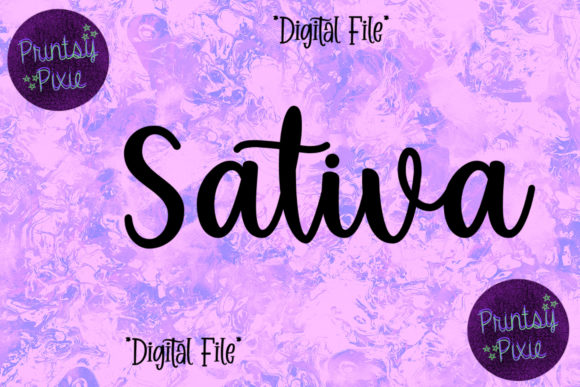
Sativa: A Designer’s Review for Real Embroidery Projects
As an embroidery designer who has spent years digitizing patterns and testing them on everything from flimsy silk to heavy denim, I approach every new machine embroidery design with a healthy dose of skepticism. We have all been there: you download a file that looks stunning on the screen, only to watch it pucker, distort, or lose its charm once the needle hits the fabric. That is why I took a close, practical look at Sativa. This isn’t just about aesthetics; it is about whether this graphic holds up in the real world of craft business and handmade production.
First Impressions: Mood and Visual Personality
The first thing that strikes me about Sativa is its organic, relaxed energy. In the world of Crafts and digital Graphics, trends come and go, but designs that feel authentic tend to have staying power. The layout suggests a natural theme, likely botanical or earthy, which immediately brings to mind specific applications. It does not scream for attention with overly complex details or aggressive lines. Instead, it offers a balanced composition that feels intentional.
For a designer, this visual personality is crucial. It tells me that this design is not trying to be everything to everyone. It fits naturally into the current market demand for minimalist yet meaningful decor. When I visualize this stitched out, I see it working best where simplicity is valued. It creates a mood of calm and connection to nature, which is exactly what many customers are looking for in personalized gifts and boutique merchandise today.
Real-World Application: The Tote Bag Test
To truly evaluate an embroidery file, I mentally place it on a standard project. Let’s say I am preparing a custom embroidered tote bag for a local farmer’s market vendor. This is a common request for small shop owners and Etsy sellers. The canvas material of a tote bag provides a stable base, but it also has a visible weave texture.
Sativa appears to have a structure that would sit well on this textured surface. If the design relies heavily on fine running stitch outlines, it might get lost in the weave. However, if it utilizes broader shapes or a mix of satin stitch and fill stitch elements, it will pop against the neutral background. I imagine using earthy thread colors—olive greens, terracottas, or muted creams—to enhance the natural vibe. The result would be a high-quality, handmade product that feels premium rather than mass-produced. This kind of application builds customer trust because the stitching looks clean and deliberate, not messy or rushed.
Apparel and Custom Gifts
Beyond tote bags, I consider how Sativa performs on apparel. Sweatshirt embroidery is a huge sector for creative entrepreneurs. A left-chest placement on a heather grey crewneck is a classic look. Here, the scale of the design matters immensely. If Sativa is too large, it can look bulky on a curved chest area. If it is too small, the details might merge. Since the product description notes it comes as an SVG and transparent image, compatible with software like Cricut Design Space and Silhouette, it is versatile for hybrid projects. You might use the digital file for heat transfer vinyl on one item and the embroidery file for another, ensuring brand consistency across your product line.
For baby embroidery, such as on a onesie or a nursery blanket, the softness of the design is a major plus. Parents often prefer subtle, gentle imagery over loud, cartoonish graphics. Sativa fits this niche well, provided the stitch density is not too high. High density can make fabric stiff and uncomfortable against sensitive skin. This is a critical point for anyone creating holiday gifts or baby shower presents.
Technical Considerations and Stitching Clarity
While the aesthetic appeal is strong, we must discuss the technical side. As a reviewer, I always advise checking the stitch density before loading any design onto your machine. Dense areas can cause puckering, especially on stretchy fabrics like t-shirts or thin materials like linen tea towels. If Sativa contains large filled areas, using a proper stabilizer is non-negotiable. A cut-away stabilizer might be necessary for garments that will be washed frequently, while a tear-away could suffice for decorative pillows that see less wear.
Another factor is fabric texture. On dark fabric, you need to ensure there is enough contrast between the thread colors and the background. I recommend testing the design in black and white mockups first. If the design loses its definition in grayscale, it may rely too much on color variation rather than shape clarity. For commercial embroidery projects, clarity is key. Customers need to recognize the design from a distance, whether it is on an apron in a coffee shop or a patch on a backpack.
Where to Use Caution
There are scenarios where Sativa might require extra attention. Curved surfaces like caps can be tricky. If the design has wide horizontal elements, it might distort when stitched on a curved brim. Small hoop sizes also pose a challenge. If you are trying to fit this into a 4x4 inch hoop, ensure that no critical details are cut off or compressed. Tiny lettering, if present in the design, should be inspected closely. Fine text often fails to stitch out cleanly on textured fabrics, leading to frustration for both the maker and the buyer.
Additionally, if you are creating an embroidered patch, the edge finishing is vital. Ensure the design has a proper satin stitch border if it is meant to be cut out. Without a clean edge, the patch will fray and look unprofessional. This attention to detail separates hobbyists from serious craft business owners.
Enhancing Brand Value and Buyer Engagement
Ultimately, the goal of using a design like Sativa is to create a finished product that sells. In the competitive landscape of Etsy listings and craft fairs, visual appeal drives clicks. A well-stitched design enhances perceived value. It signals professionalism and care. When a customer sees a clean, crisp embroidery job, they are more likely to trust the seller and make a purchase.
For digital product sellers, the included SVG and transparent image files offer additional revenue streams. You can use these assets for printable mockups, social media graphics, or sublimation designs. This versatility makes the purchase more valuable. However, always confirm licensing terms. Just because you have the files does not mean you can resell the digital asset itself. Most licenses allow for selling finished physical items, but restrictions vary. Protect your business by reading the fine print.
Practical Notes for the Embroidery Designer
Before you commit to a large batch of products, follow these steps:
- Test on scrap fabric: Always run a test stitch on the same material you plan to use for the final product. This reveals tension issues and density problems early.
- Check thread contrast: Ensure your thread colors stand out against the fabric. Monochromatic looks can be chic, but they require perfect lighting and high-quality stitching to look intentional.
- Review stitch density: If the design feels heavy, consider editing it in your software to reduce density or add underlay stitches for stability.
- Confirm hoop size: Make sure the design fits comfortably within your hoop with room for stabilization.
- Inspect small details: Zoom in on the preview. Are there tiny jumps or unnecessary trims that could cause thread breaks?
- Compare backgrounds: Test the design on both light and dark fabrics to see how versatility plays out.
- Use proper stabilizer: Match the stabilizer to the fabric weight and stretch. This is the most common reason for poor embroidery results.
In conclusion, Sativa presents itself as a thoughtful addition to a designer’s library. It bridges the gap between artistic expression and practical application. For those making handmade products, from personalized gifts to small shop merchandise, it offers a reliable foundation. By paying attention to fabric choice, stabilizer, and stitch quality, you can transform this digital file into a tangible asset that enhances your brand and delights your customers. It is a solid choice for anyone looking to add a touch of natural elegance to their embroidery projects.