Mystic Embroidery Design: A Designer’s Real-World Review
As an embroidery designer who has spent years translating digital concepts into tangible thread, I approach every new machine embroidery design with a mix of curiosity and skepticism. We have all seen files that look stunning on a screen but turn into a tangled mess of bird nests on the fabric. When I first loaded Mystic into my software, I was looking for more than just aesthetic appeal; I was looking for structural integrity, stitch logic, and commercial viability. This review breaks down how Mystic performs in real-world scenarios, from small shop merchandise to high-end personalized gifts.
First Impressions: Mood and Visual Personality
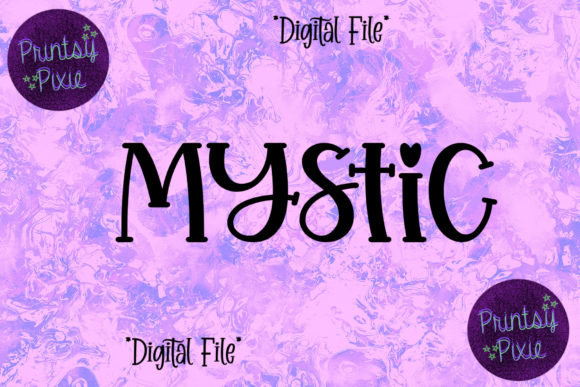
The name Mystic sets a specific expectation, and the design delivers on that promise without relying on clichés. The layout feels balanced, with a visual personality that leans toward the ethereal yet grounded. For those of us in the Crafts and Graphics space, we know that "mystical" can sometimes mean overly complex or cluttered. However, Mystic avoids this pitfall. The shapes are distinct, allowing the eye to travel smoothly across the design.
In terms of detail level, it strikes a middle ground. It is intricate enough to feel premium and valuable, yet open enough to prevent excessive puckering on standard fabrics. This is crucial for embroidery designers who need their work to look professional after washing and wearing. The theme suggests versatility, fitting naturally into projects that require a touch of magic or introspection, such as nursery decor, boutique branding, or spiritual wellness products.
Real-World Application: The Tote Bag Test
To truly evaluate an embroidery file, you must imagine it on a physical product. I recently worked on a custom order for a local bookstore owner who wanted a line of branded tote bags. She needed a design that would stand out on natural canvas but not overwhelm the bag’s utility. Mystic was the perfect candidate for this tote bag design project.
I stitched a test sample on a medium-weight cotton canvas using a standard cut-away stabilizer. The result was impressive. The design’s open areas allowed the texture of the canvas to breathe, while the denser sections provided enough coverage to create a bold statement. Customers react positively to designs that feel intentional rather than slapped on. Mystic adds perceived value to the handmade product, making it feel like a curated piece of art rather than a generic commodity. For an Etsy seller or small shop owner, this distinction is what drives higher price points and customer trust.
Versatility Across Product Lines
Beyond tote bags, Mystic shows strong potential across various embroidery project types. Here is how it performs in different contexts:
- Sweatshirt Embroidery: On fleece or French terry, the design holds up well. The key here is using a tear-away stabilizer to maintain softness against the skin. The visual weight of Mystic balances nicely on the chest or sleeve of a custom apparel piece.
- Baby Embroidery: For baby items, simplicity and softness are paramount. While Mystic is detailed, it can be scaled down for onesies or burp cloths. However, care must be taken to ensure the stitch density does not become too rigid for delicate baby skin.
- Holiday Embroidery: The timeless nature of the design makes it suitable for seasonal goods. With the right thread colors, it can transition from a spooky Halloween accent to a wintery holiday motif, offering year-round utility for craft business owners.
- Embroidered Patch: Creating patches requires tight satin borders and dense fills. Mystic adapts well to patch creation, provided you add a merrowed or satin border in your software to prevent fraying edges.
Technical Considerations and Fabric Challenges
No design is universal, and Mystic requires thoughtful execution on certain materials. If you are working with thin fabric like silk or lightweight rayon, the design’s density might cause puckering. In these cases, I recommend using a water-soluble topping to stabilize the surface stitches. Similarly, on stretchy fabric like jersey knits, proper hooping and a flexible stabilizer are non-negotiable to prevent distortion.
One area where designers must exercise caution is with dark fabric. If Mystic features fine lines or small details, ensure your thread colors have high contrast against the background. A low-contrast combination can make the design disappear, reducing its impact. I always advise testing the design in black and white mockups first to check for clarity. If the design loses its definition in grayscale, it may need adjustment before stitching on dark garments.
Additionally, consider the hoop size. While Mystic is versatile, placing it on curved surfaces like caps requires careful positioning. The design should be centered and scaled to fit the visible area of the cap without wrapping around the sides, which can cause stitching errors.
Commercial Viability and Brand Consistency
For commercial embroidery and digital product sellers, consistency is key. Mystic offers a cohesive look that can help build brand recognition. Whether you are selling finished product items or digital embroidery file assets, the design’s professional appearance enhances buyer engagement. It signals quality and attention to detail, which are critical for maintaining a reputable small shop product line.
When creating printable mockup images for online listings, Mystic photographs well. Its balanced composition looks attractive in flat lays and lifestyle shots, helping to drive clicks and conversions. For design assets creators, this means the file is not just functional but also marketable.
Practical Designer Notes for Best Results
Before committing to a large production run or listing Mystic in your store, follow these practical steps:
- Test on Scrap Fabric: Always stitch a test piece on the same material you plan to use for the final product. This helps you identify any tension issues or density problems.
- Check Thread Contrast: Ensure your chosen thread palette complements the fabric. High contrast highlights detail, while tonal colors create a subtle, sophisticated look.
- Review Stitch Density: If your machine struggles with dense areas, consider reducing the density slightly in your editing software, especially for thicker fabrics.
- Confirm Licensing: Since Mystic is provided as an SVG File optimized for cutting machines like Cricut and Silhouette, verify the license terms if you plan to sell physical items. Some licenses allow personal use only, while others permit commercial sales of finished goods.
- Inspect Small Details: Zoom in on the design in your software to check for tiny elements that might not stitch out cleanly. Remove or simplify any nodes that are too small for your needle size.
In conclusion, Mystic is a robust addition to any designer’s library. It bridges the gap between artistic expression and technical practicality, making it a reliable choice for everything from personalized gift items to boutique merchandise. By understanding its strengths and limitations, you can leverage this design to create high-quality, visually appealing products that resonate with customers.