Reviewing the Legendary Lacrosse Coach Design
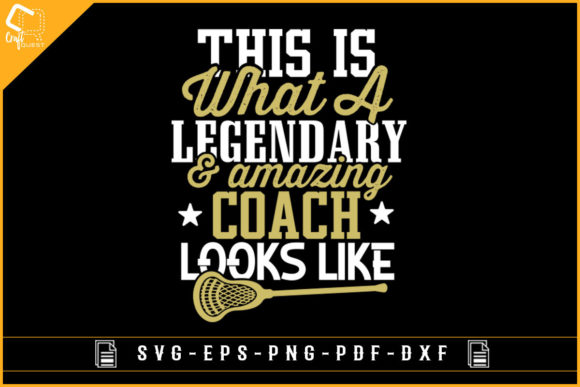
As a designer who spends more time staring at stitch simulations than actual fabric, I have learned that not every digital file translates well into thread. We often see bold, text-heavy graphics in the Crafts and Graphics categories that look fantastic on a screen but turn into a tangled mess under the needle. Recently, I evaluated the This is What a Legendary Lacrosse Coach design to determine if it holds up in real-world embroidery scenarios. This is not just about whether the file opens correctly; it is about whether the final stitched product delivers the emotional impact and professional finish that clients expect from a personalized gift or boutique item.
First Impressions and Visual Personality
The immediate mood of this design is celebratory and authoritative. It speaks directly to the pride associated with coaching, a role that often goes underappreciated until the season ends. The layout appears to be text-centric, which is common for this type of tribute art. For an embroidery project, text-heavy designs require a keen eye for font weight and spacing. If the letters are too thin, they vanish into the fabric texture. If they are too dense, the fabric puckers.
From a visual standpoint, the phrase "Legendary" carries weight. In a machine embroidery design, this needs to be reflected in the stitch structure. I look for a balance between satin stitch borders for crispness and fill stitch interiors for durability. The design’s personality suggests it belongs on items that are worn with pride, such as team apparel or keepsake gifts. It does not feel like a subtle, background accent; it is a statement piece. This distinction is crucial when deciding where to place it on a garment or accessory.
Real-World Application: The Custom Sweatshirt Test
To truly understand how this design performs, I mentally walked through a typical client request: a custom embroidered sweatshirt for a retiring lacrosse coach. This is a high-stakes project because the recipient is likely to wear it frequently, and the giver wants it to look expensive. Using the This is What a Legendary Lacrosse Coach file here makes sense. The chest area of a mid-weight cotton blend sweatshirt provides a stable canvas.
In this scenario, the design serves as the focal point. I would recommend placing it slightly higher on the chest to avoid distortion when the wearer sits. The key to success here is the choice of thread colors. A classic navy or forest green thread on a heather grey fabric would offer excellent contrast without being overly loud. However, if the client wants a vibrant look, using metallic or variegated threads could add a premium touch, provided the stitch density allows the sheen to show through. This design transforms a standard piece of custom apparel into a cherished memory, elevating the perceived value of the handmade product.
Navigating Fabric and Hoop Constraints
While the design is versatile, it is not universal. Embroidery designers must be cautious about where they apply this graphic. For instance, using it on a curved surface like a cap requires careful digitizing adjustments that may not be present in the base file. If the text is long, it might wrap awkwardly around the front panel of a hat, causing readability issues. In such cases, I would advise checking the dimensions against your hoop size before purchasing or stitching.
Textured fabrics also pose a challenge. If you are stitching this onto a waffle-knit towel or a rough linen tote bag design, the finer details of the lettering might get lost. The fabric texture can interfere with the stitch definition, making the words appear jagged. For these materials, increasing the stitch density slightly or using a heavier weight thread can help the design pop. Conversely, on stretchy fabrics like performance athletic wear, proper stabilizer usage is non-negotiable. Without a cut-away stabilizer, the tension from the fill stitches could cause the fabric to pucker permanently, ruining the sleek look required for sporty custom apparel.
Considerations for Small Hoops and Tiny Details
If you plan to use this on smaller items, such as a baby embroidery project or a small embroidered patch, you must scrutinize the smallest elements of the design. Tiny serifs or intricate flourishes in the font may not stitch out cleanly at a reduced size. I always recommend running a test stitch on scrap fabric first. This simple step saves hours of frustration and prevents wasted materials. Check if the small letters remain legible. If they merge together, the design may need to be simplified or enlarged for that specific application.
Enhancing Product Value and Brand Consistency
For Etsy sellers and small shop owners, the choice of design directly impacts brand perception. A clean, well-executed embroidery project signals professionalism. The This is What a Legendary Lacrosse Coach design, when stitched correctly, conveys thoughtfulness and quality. It fits seamlessly into a catalog of sports-themed gifts, holiday embroidery collections, or end-of-season team appreciations.
Using this design in your portfolio can attract a specific niche of buyers who value recognition and legacy. When you present a finished product, such as a tote bag or apron featuring this text, ensure the presentation highlights the stitch quality. High-resolution photos that show the texture of the thread against the fabric build customer trust. Buyers want to see that the letters are smooth, the jumps are trimmed, and the overall finish is neat. This attention to detail turns a one-time buyer into a repeat customer who trusts your craft business to handle their sentimental projects.
Practical Designer Notes for Best Results
Before you load this digital embroidery file into your machine, take a moment to review the technical specifics. Since the product description mentions SVG, EPS, DXF, PNG, and PDF files, it is clear this asset is marketed for both printing and cutting. However, for embroidery, you need to confirm if a native machine file format (such as PES, DST, or JEF) is included or if you need to digitize it yourself from the vector sources. If you are digitizing from the SVG or EPS, pay close attention to the pull compensation and underlay stitches.
- Test on Scrap Fabric: Always stitch a sample on the same material you intend to use for the final product. This reveals issues with tension and density.
- Check Thread Contrast: View your design in black and white mockups to ensure the text remains readable without color reliance.
- Verify Licensing: Confirm whether the license allows for commercial use if you plan to sell finished items. This is critical for Etsy sellers and boutique owners.
- Stabilizer Selection: Match your stabilizer to the fabric. Use cut-away for knits and tear-away for woven fabrics to maintain shape.
- Inspect Small Details: Zoom in on the design file to check for tiny nodes or complex curves that might cause thread breaks.
In conclusion, the This is What a Legendary Lacrosse Coach design offers strong potential for meaningful, high-value embroidery projects. It resonates emotionally with its audience and fits well within the sports and appreciation gift markets. By respecting the technical limitations of your machine and fabric, and by applying thoughtful design judgment, you can transform this digital asset into a stunning physical product. Whether for a personal keepsake or a commercial inventory item, the key lies in the execution. Treat the design with the care it deserves, and it will serve as a testament to both the coach’s legacy and your skill as a creator.